AI & Machine Learning
See all →
Modern AI Architecture
Inside the inference scaling paradigm — how modern LLMs reason, route between models, build internal world models, and what that means for systems that use them.
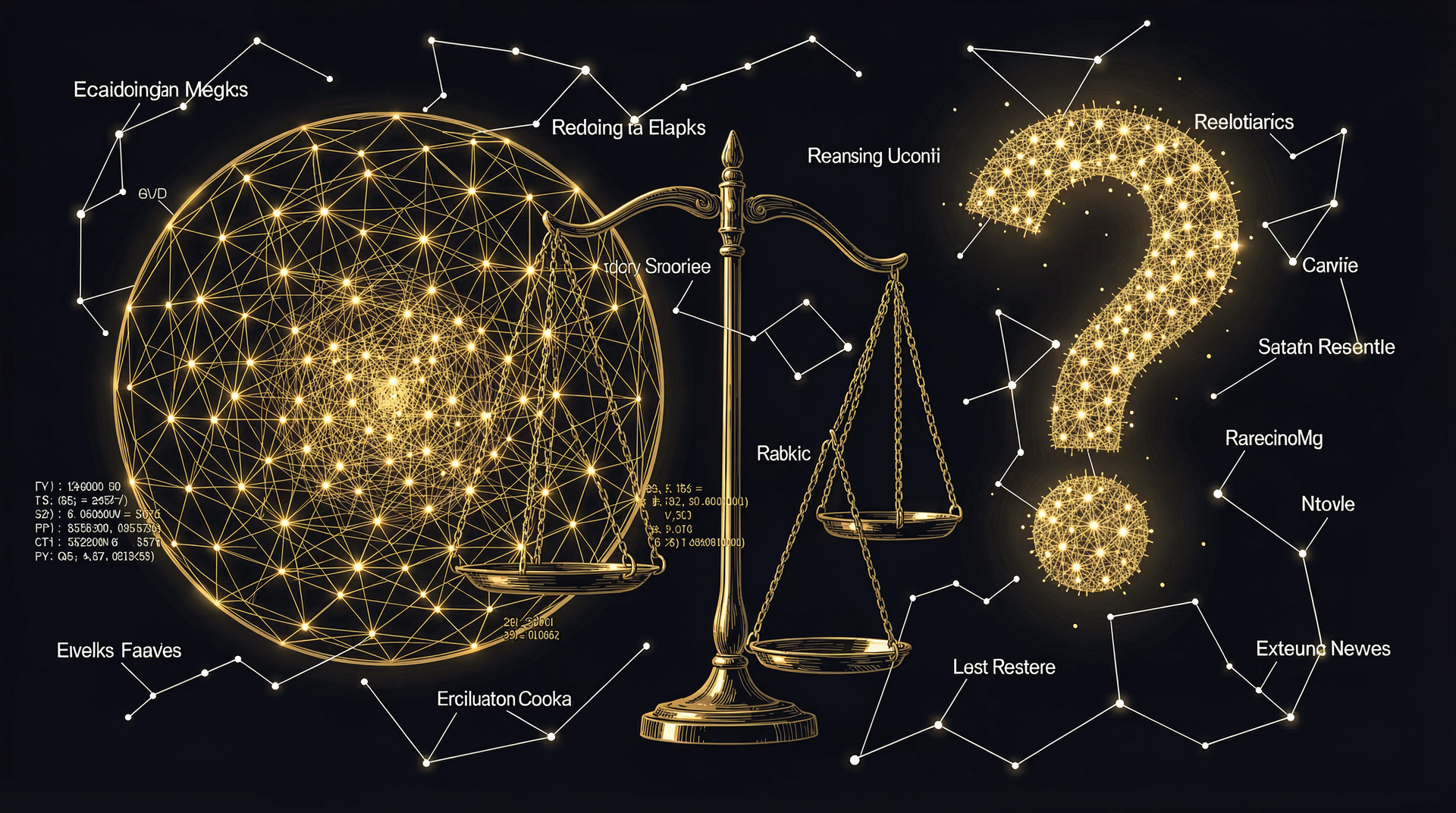
LLM Evaluation & Chain-of-Thought
How to actually measure whether an LLM is getting better — evaluation frameworks, chain-of-thought strategies, thinking token costs, and the 2026 reasoning landscape.
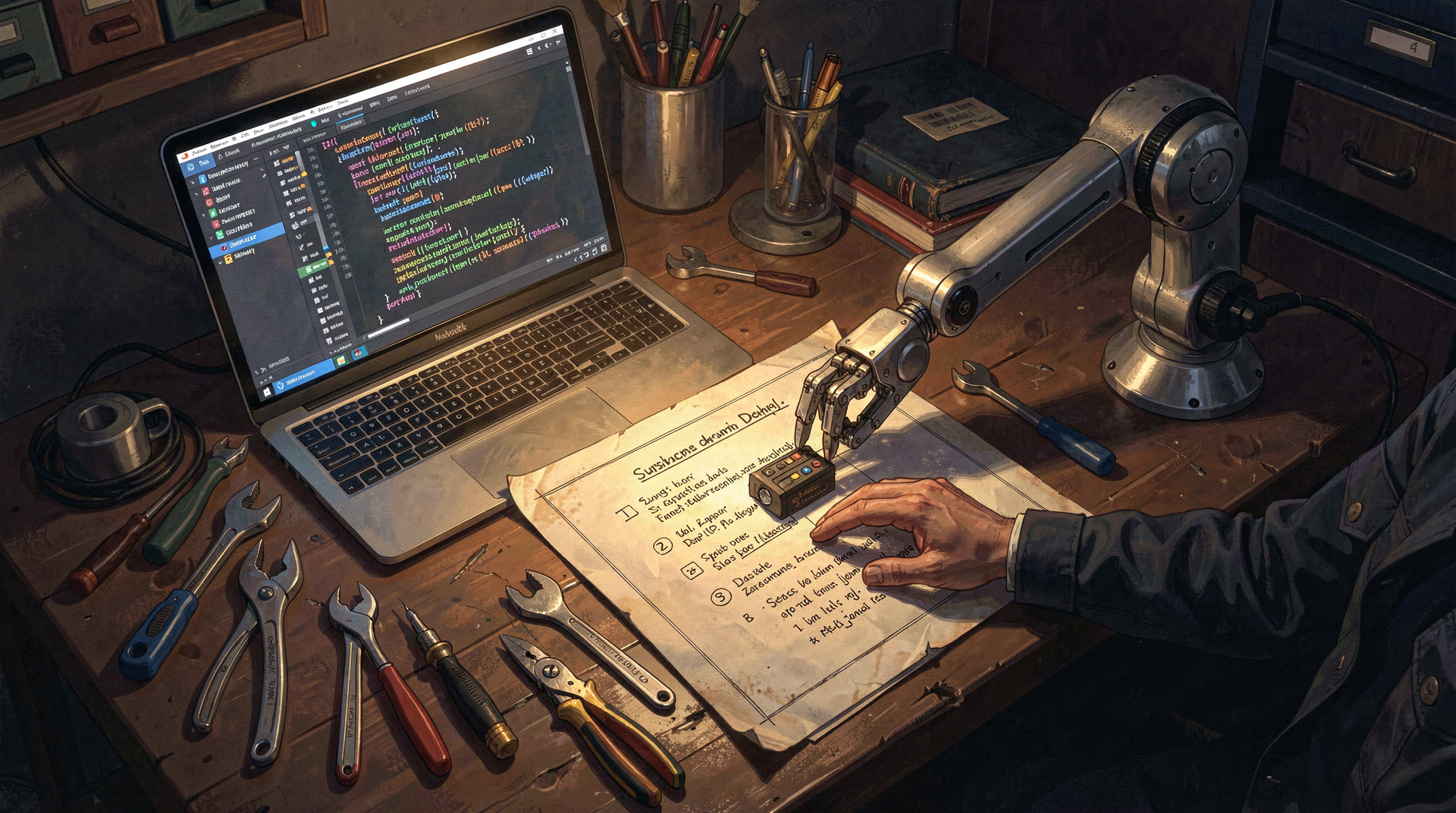
AI Agent Skills
Production-grade engineering for AI agents — skills, workflows, and architecture patterns for senior engineers building reliable AI systems.
Web Development
See all →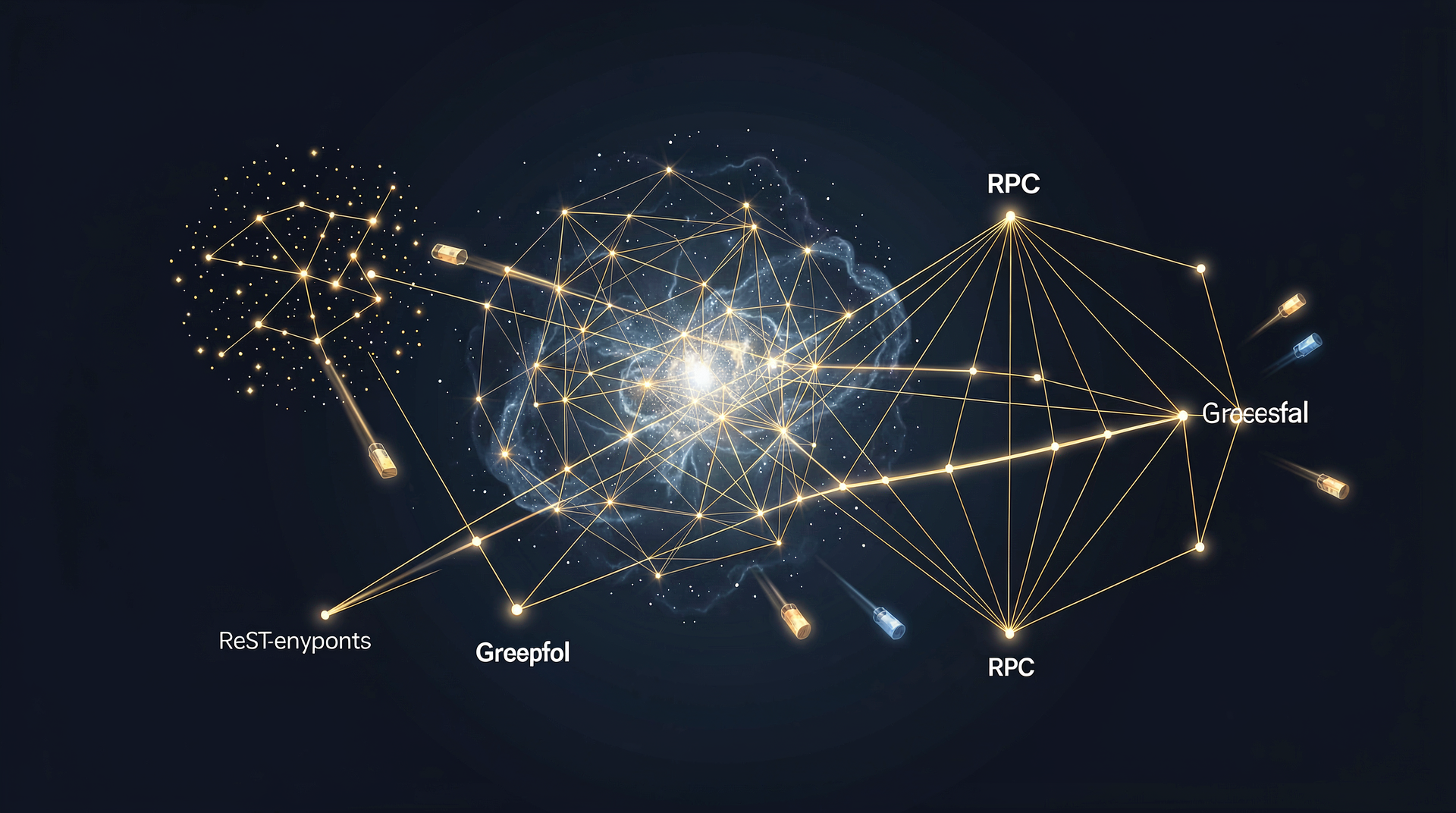
APIs: REST, GraphQL & Beyond
The evolution of API design — from REST conventions through GraphQL flexibility to type-safe RPC frameworks, and the trade-offs that should drive the decision.
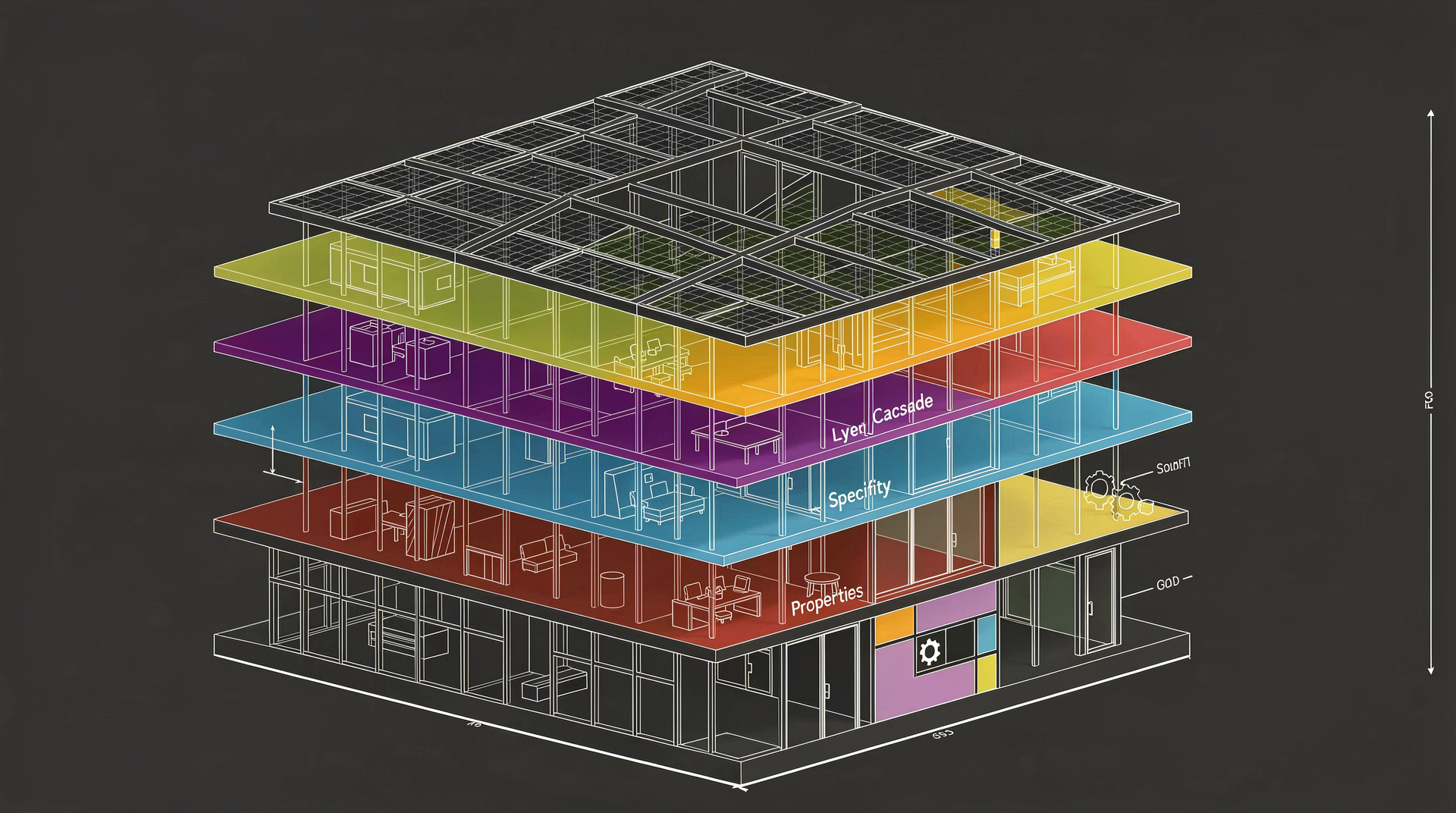
CSS Architecture at Scale
Ending the specificity wars — BEM, utility-first, cascade layers, and a framework for choosing your CSS architecture based on team size and project scale.

React Architecture
Mental models for building with React — the component model, reconciliation, hooks, concurrent features, and how React compares to the broader UI framework landscape.
TypeScript in Depth
Beyond basic types — structural typing, discriminated unions, advanced generics, utility types, and how to make impossible states unrepresentable in TypeScript.
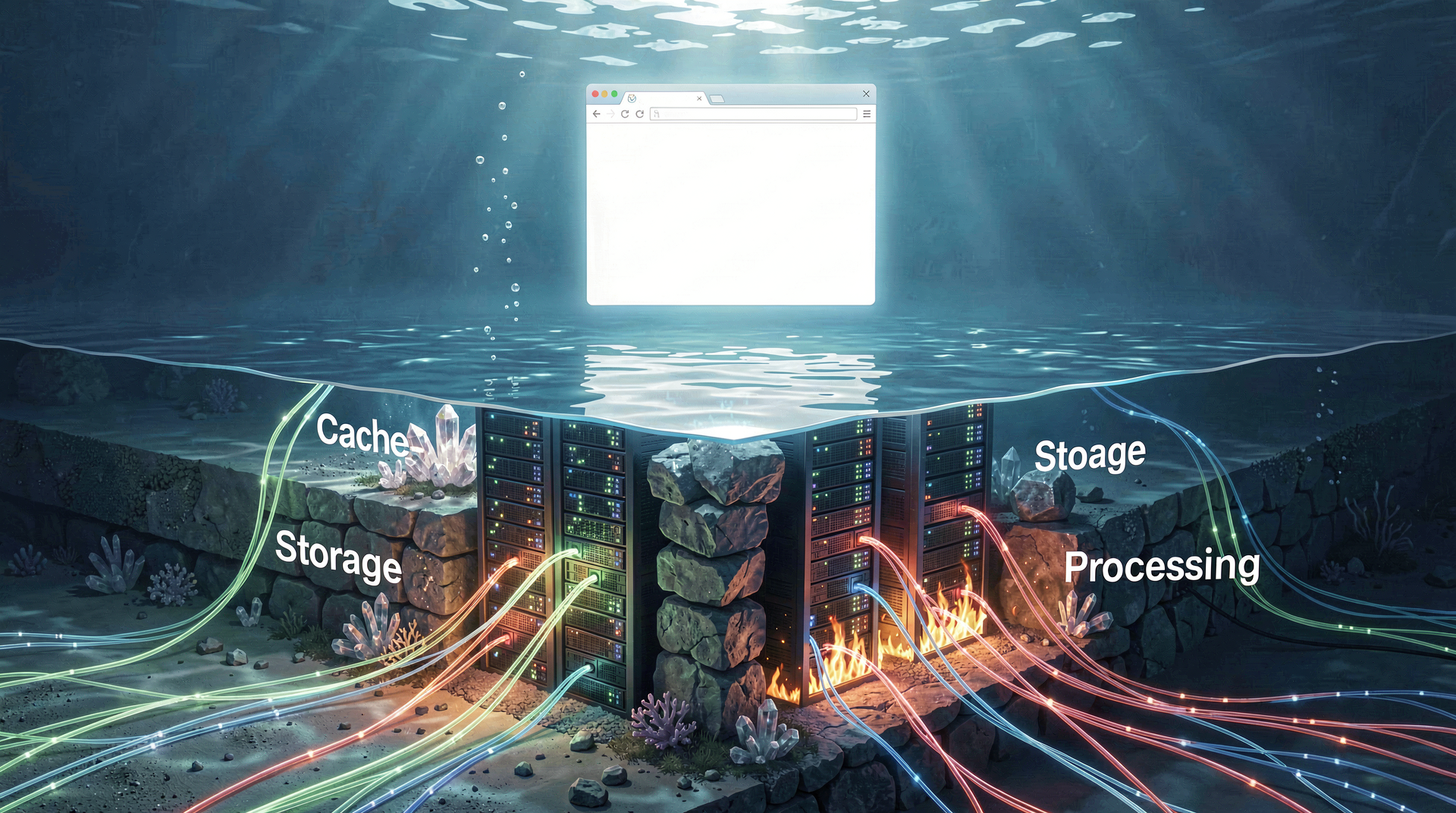
Modern Web Architecture
The invisible infrastructure of the browser — HTTP/2, HTTP/3, caching strategies, storage APIs, and what happens before your JavaScript even runs.

Web Performance
Speed as a revenue variable — Core Web Vitals, INP, critical path rendering, and the practical techniques that actually move the needle for real users.
Web Security
Practical defence for web developers — CSRF, JWT pitfalls, SQL injection, XSS, and the architectural patterns that prevent the OWASP top 10 from becoming your problem.
Classic Literature
See all →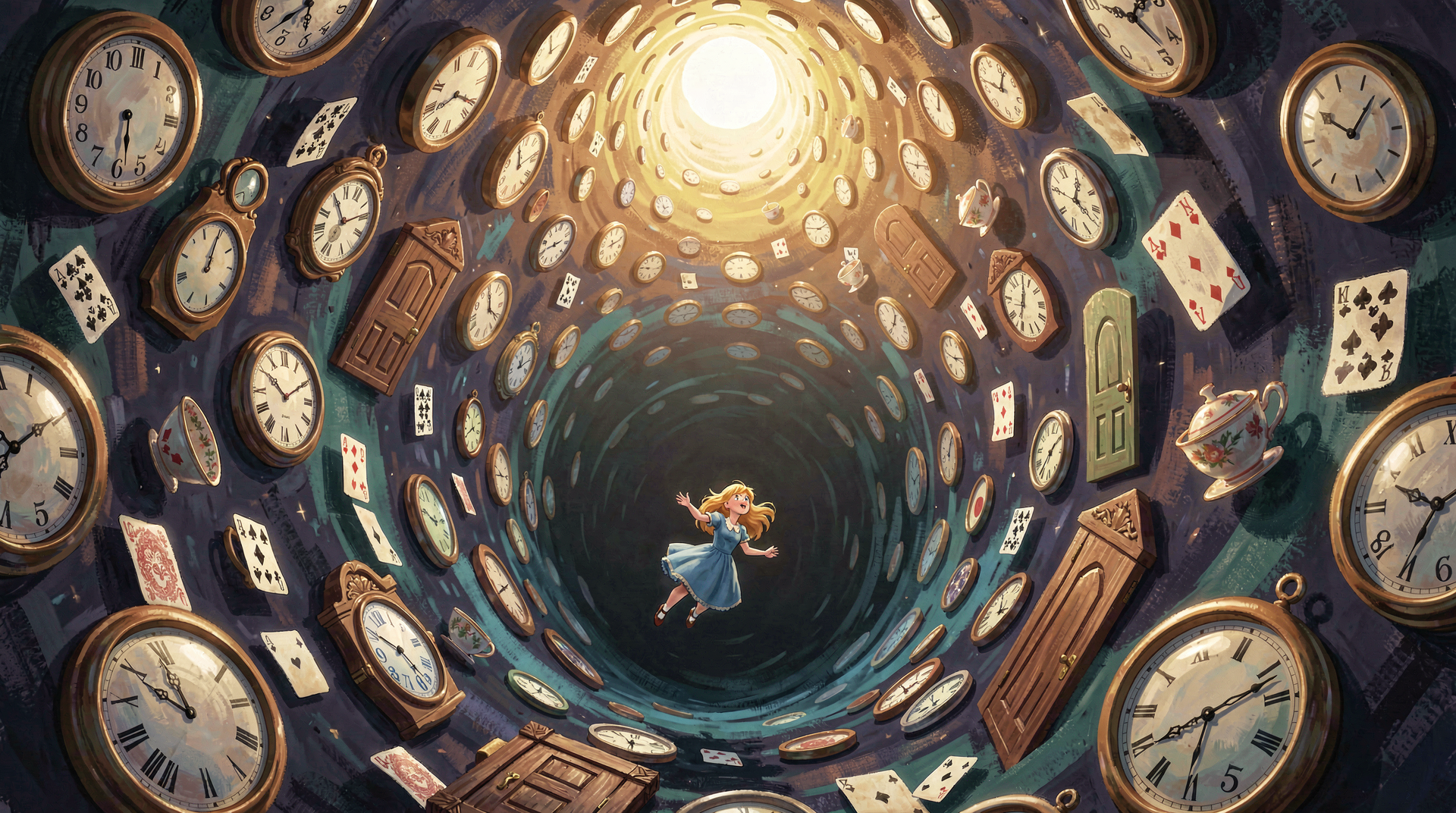
Alice in Wonderland
Carroll's surreal journey through a world of logical nonsense — what it reveals about the absurdity of adult rules seen through a child's ruthless logic.
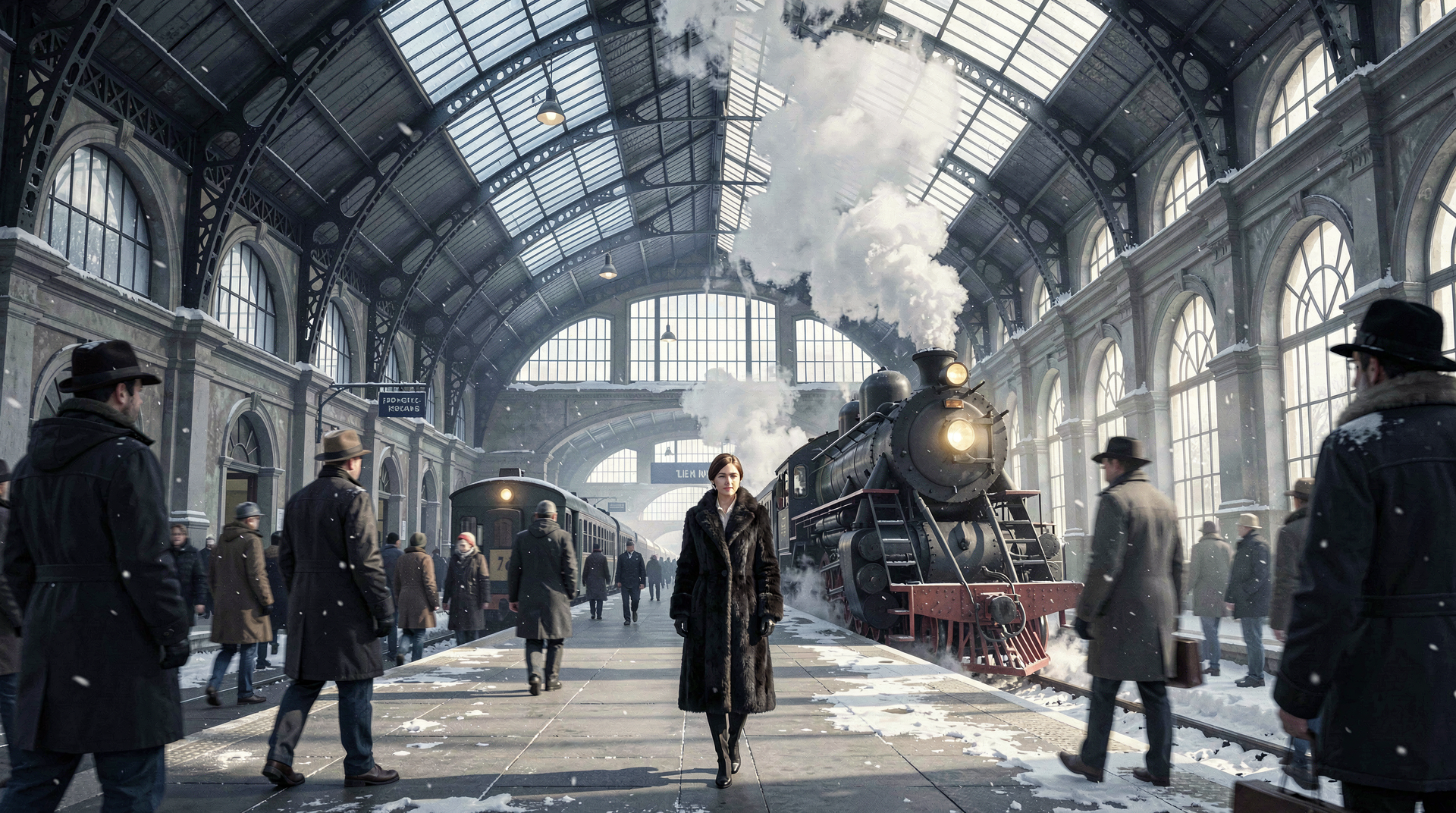
Anna Karenina
Tolstoy's dissection of Russian society — Anna's affair read not as romance but as a collision between individual desire and a social order that tolerates no deviation.
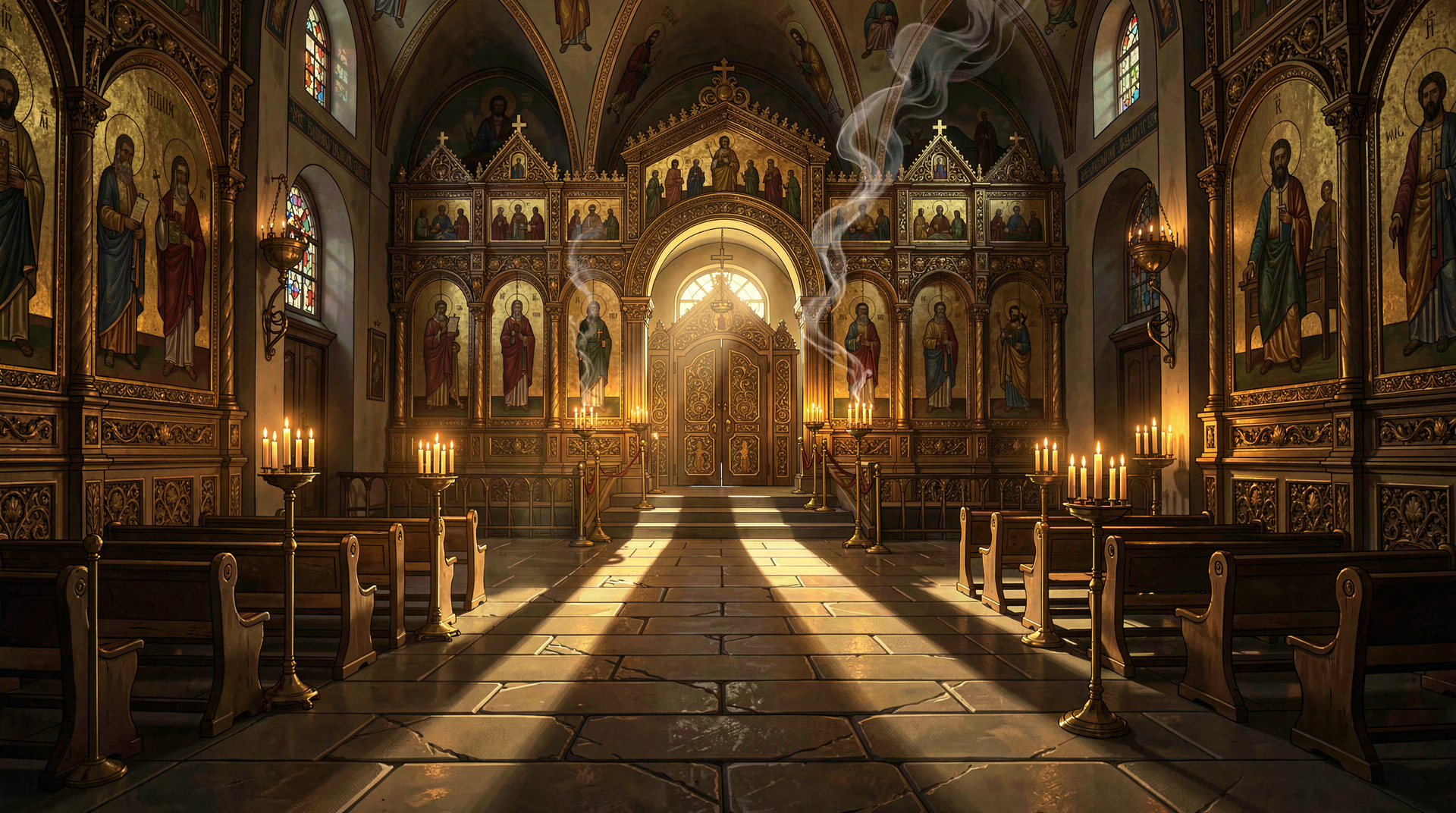
The Brothers Karamazov
Dostoevsky's final and greatest novel — faith, doubt, patricide, and three brothers as archetypes of the human condition: intellect, passion, and saintliness.

A Christmas Carol
Dickens's tight ghost story about the economics of compassion — how Scrooge's transformation is not sentimental but brutally rational.
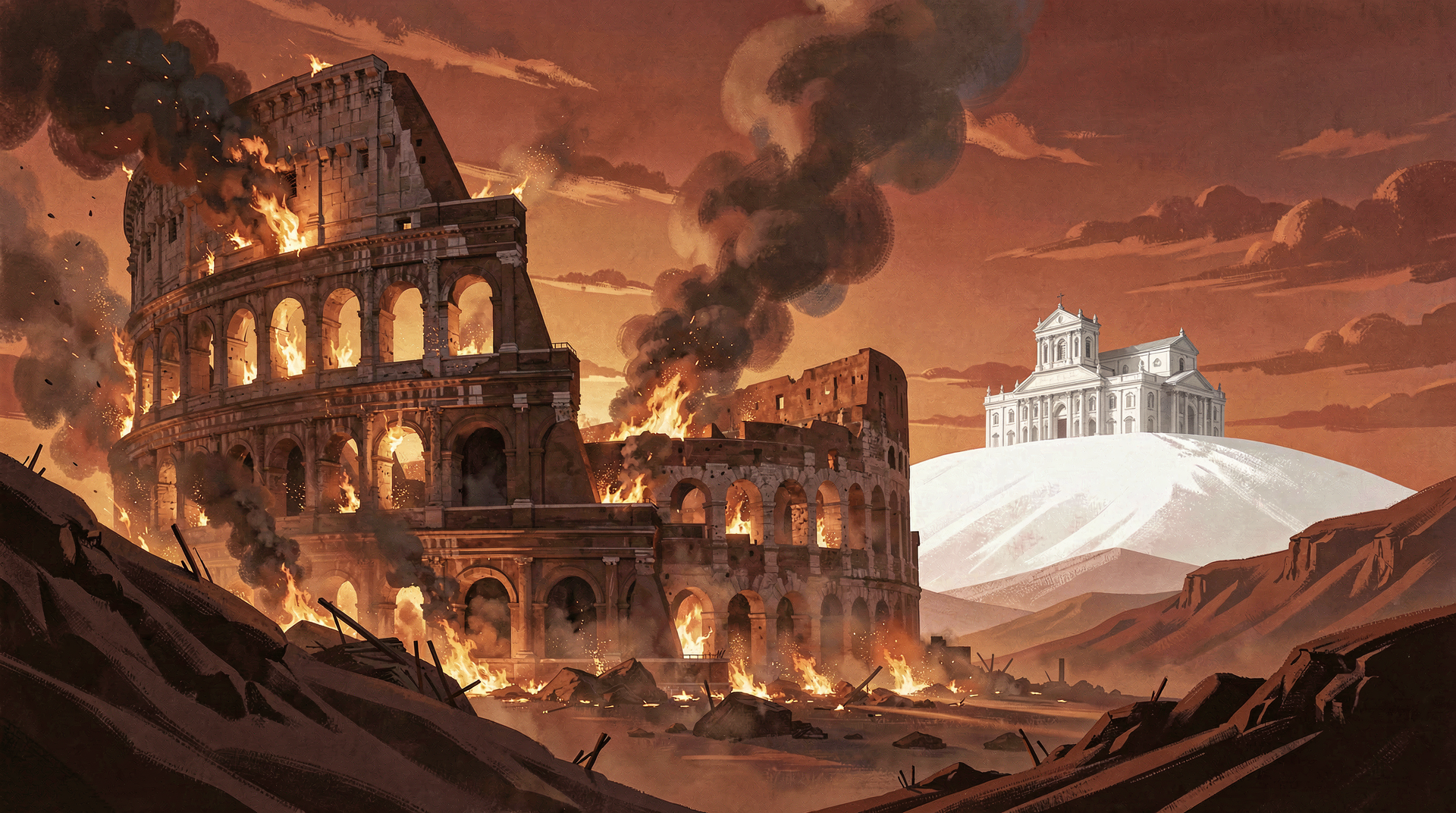
The City of God
Augustine's monumental defence of Christianity after Rome's fall — the argument that earthly power is always temporary, but the divine city endures.
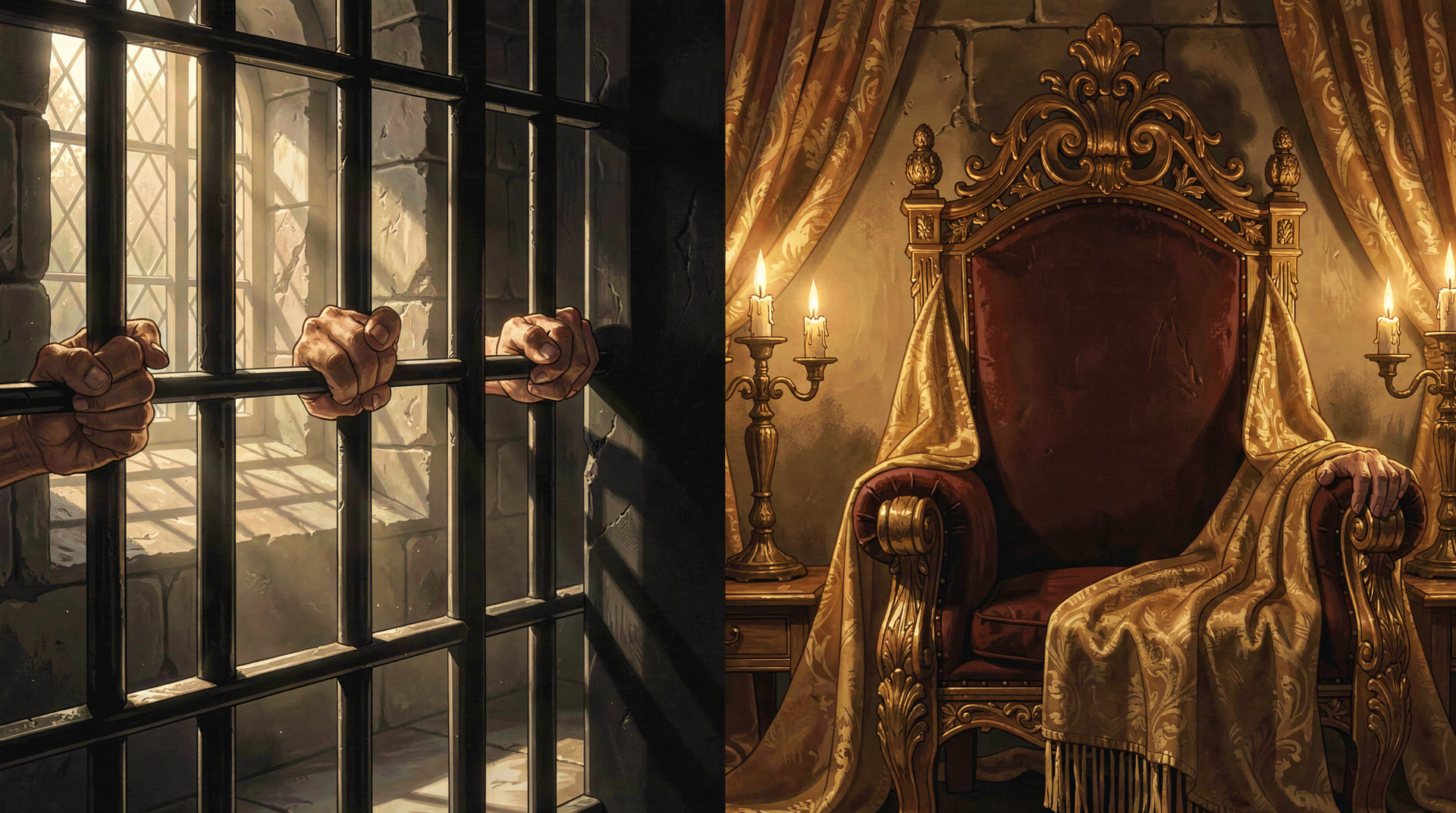
The Count of Monte Cristo
Dumas's grand revenge epic — Edmond Dantès's transformation from wronged innocent to patient, methodical destroyer of the men who betrayed him.
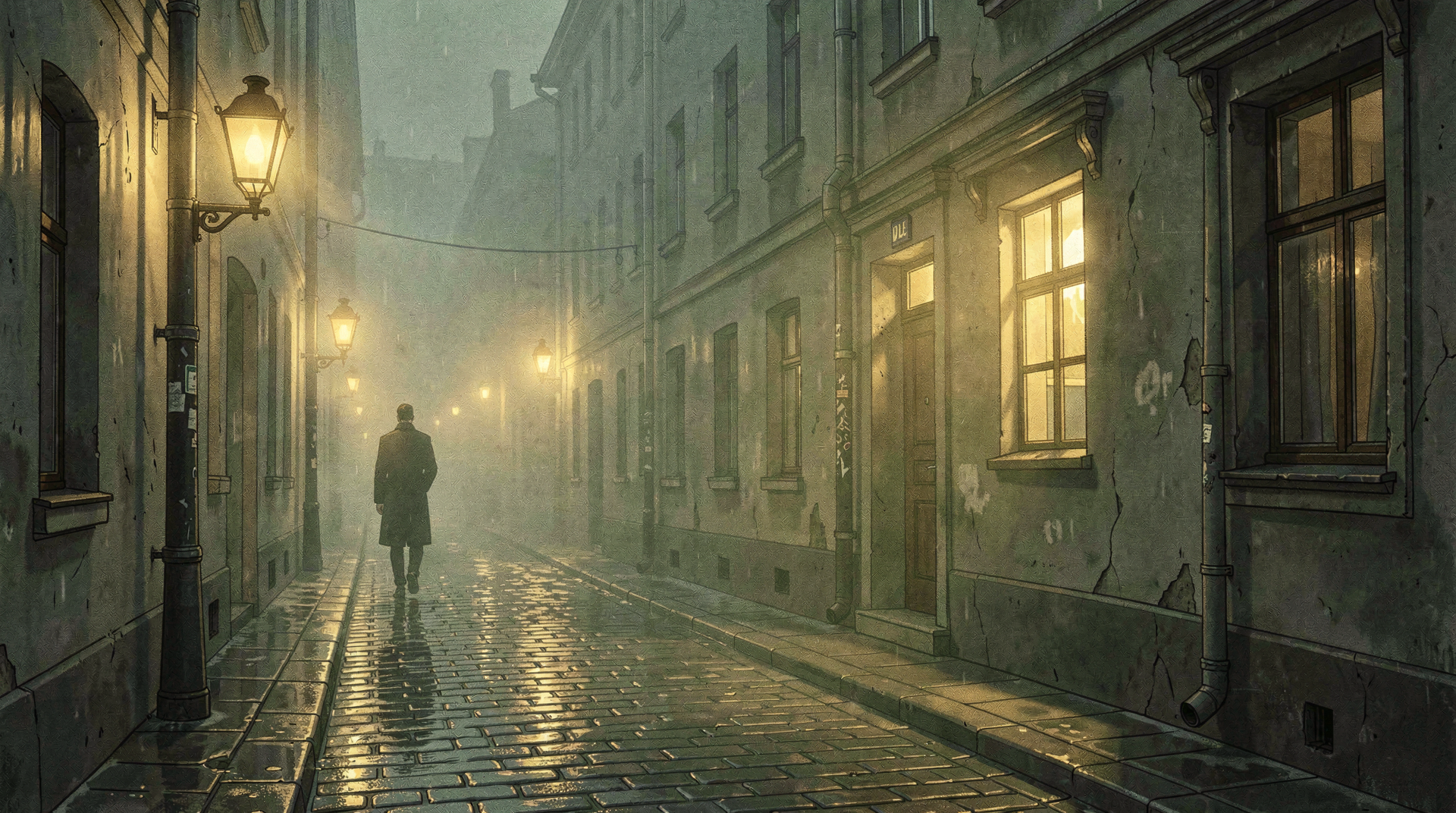
Crime and Punishment
Dostoevsky's psychological masterpiece — Raskolnikov's theory that extraordinary men are above morality, and how the weight of guilt dismantles it.
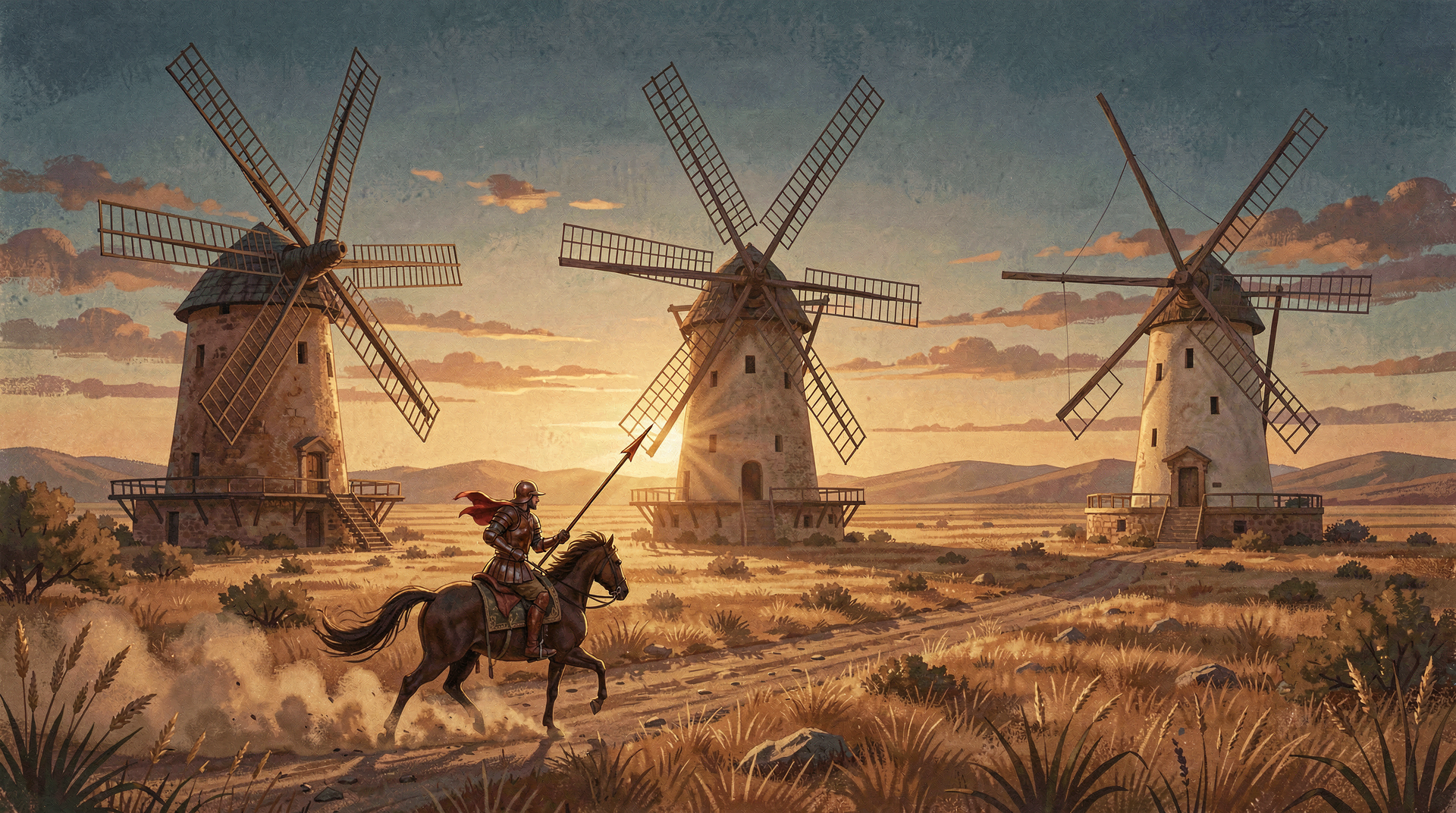
Don Quixote
Cervantes's accidental masterpiece — the first modern novel, read as a study in idealism vs reality and what happens when a man weaponises delusion.
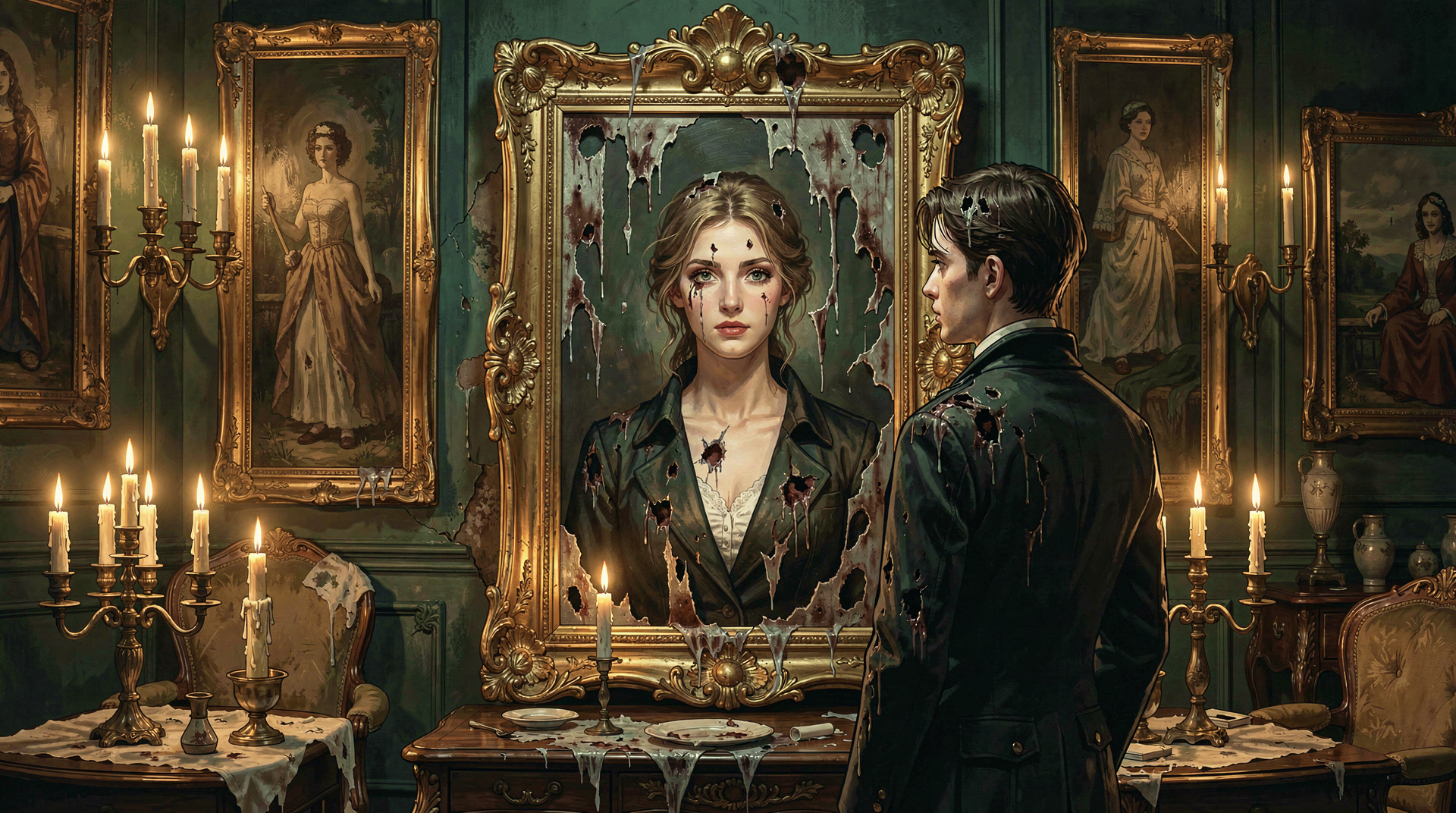
The Picture of Dorian Gray
Wilde's Faustian tale of beauty, corruption, and the portrait that bears the cost of a life lived without conscience.
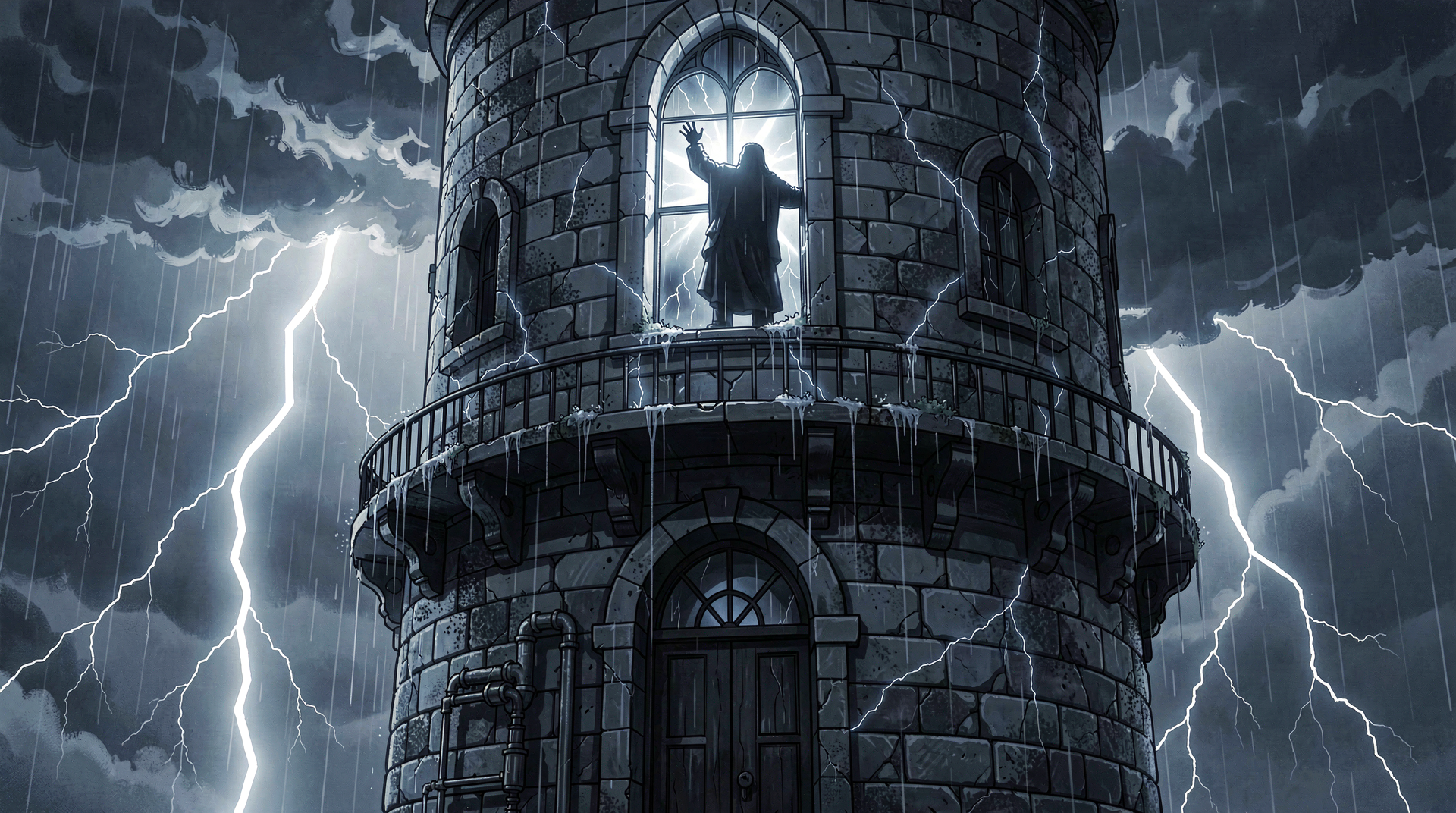
Frankenstein
Shelley's founding text of science fiction — the ambition of creation, the horror of abandonment, and whether Victor or his creature is the real monster.

Huckleberry Finn
Twain's great American novel — a raft trip down the Mississippi as a dissection of freedom, hypocrisy, and the moral education of a boy the South failed to corrupt.
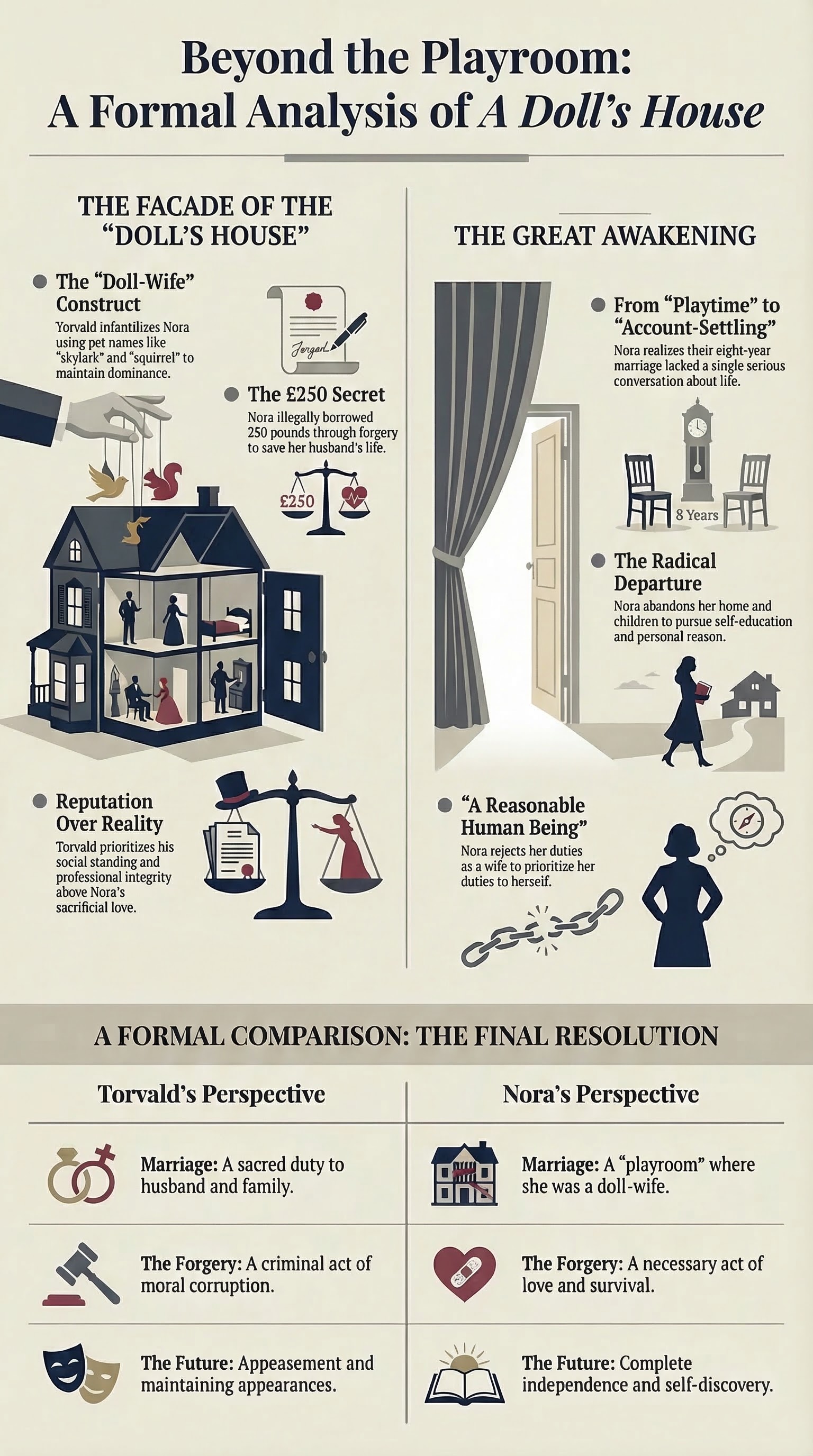
A Doll's House
Ibsen's explosive drama — Nora Helmer's awakening from the comfortable cage of Victorian marriage and the door slam that shook European theatre.
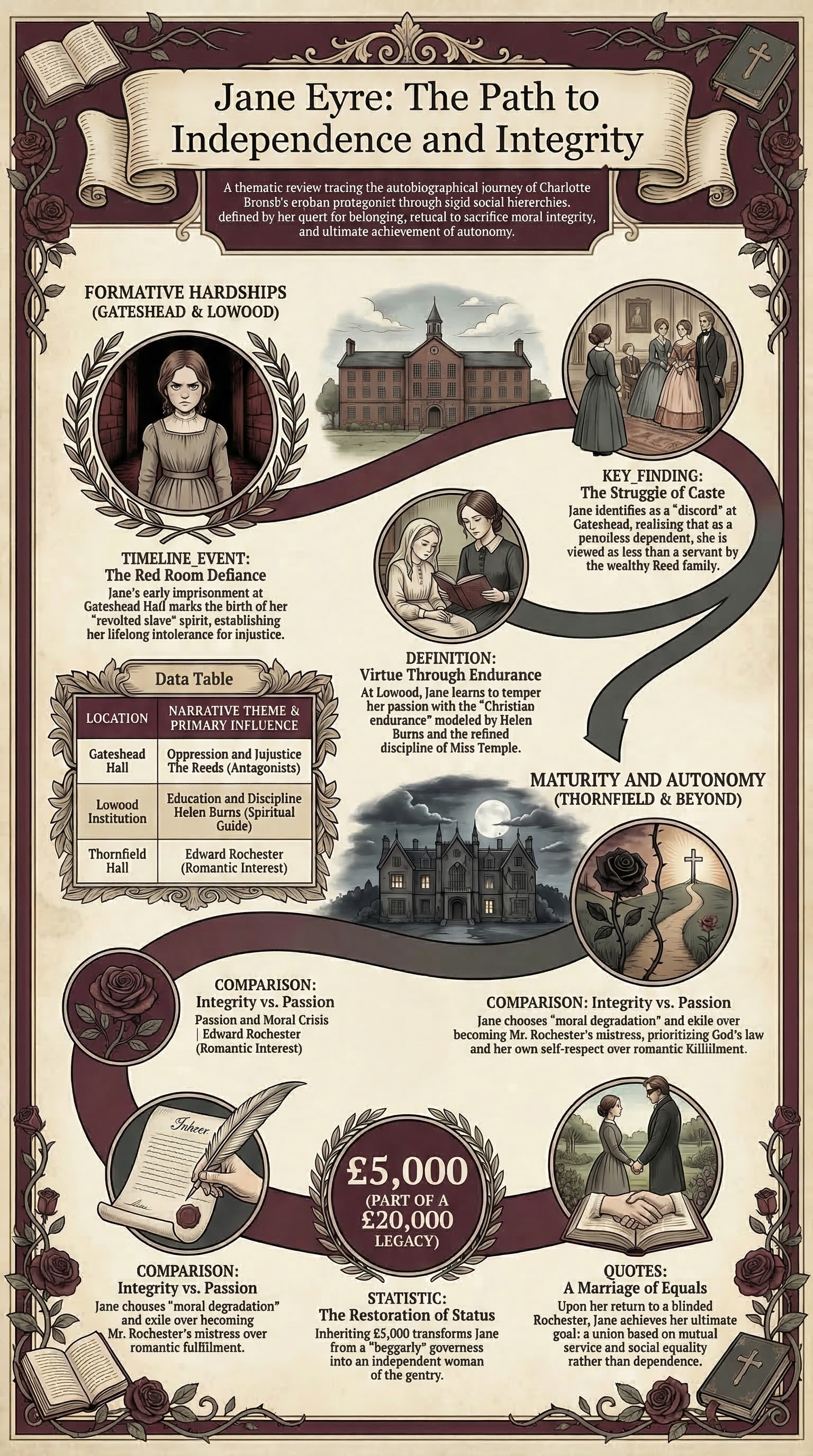
Jane Eyre
Brontë's radical portrait of female independence — a governess who refuses to trade her self-respect for security, love, or social position.
Les Misérables
Hugo's monumental argument about justice, mercy, and whether society's laws serve its people — told through Jean Valjean's lifelong pursuit by an immovable system.
Middlemarch
George Eliot's panoramic study of provincial life — ambition, marriage, and the quiet tragedy of intelligent people trapped by the limits of their world.
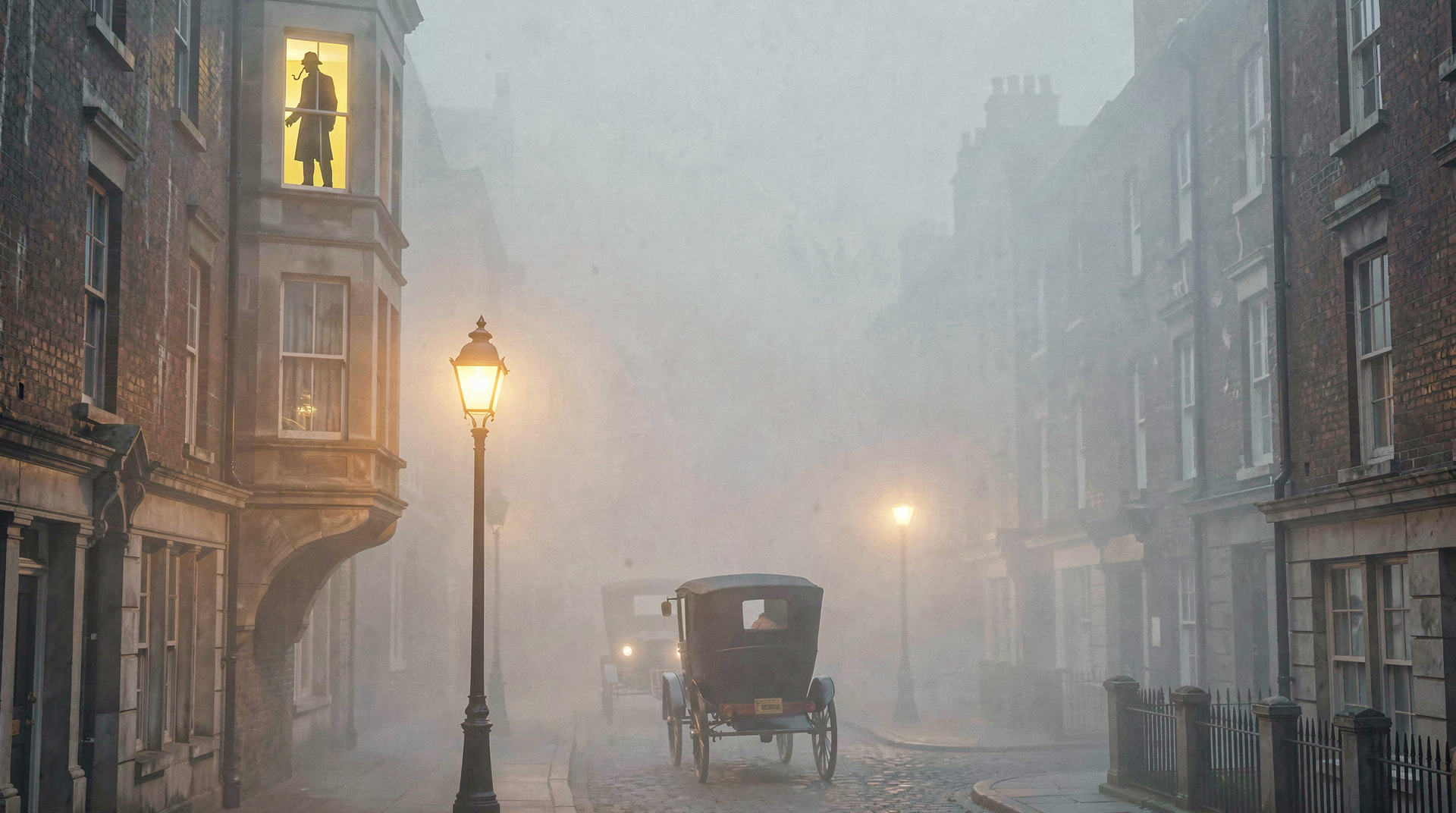
Sherlock Holmes
Conan Doyle's consulting detective examined as a cognitive system — how Holmes's methods of observation and deduction became a template for modern analytical thinking.
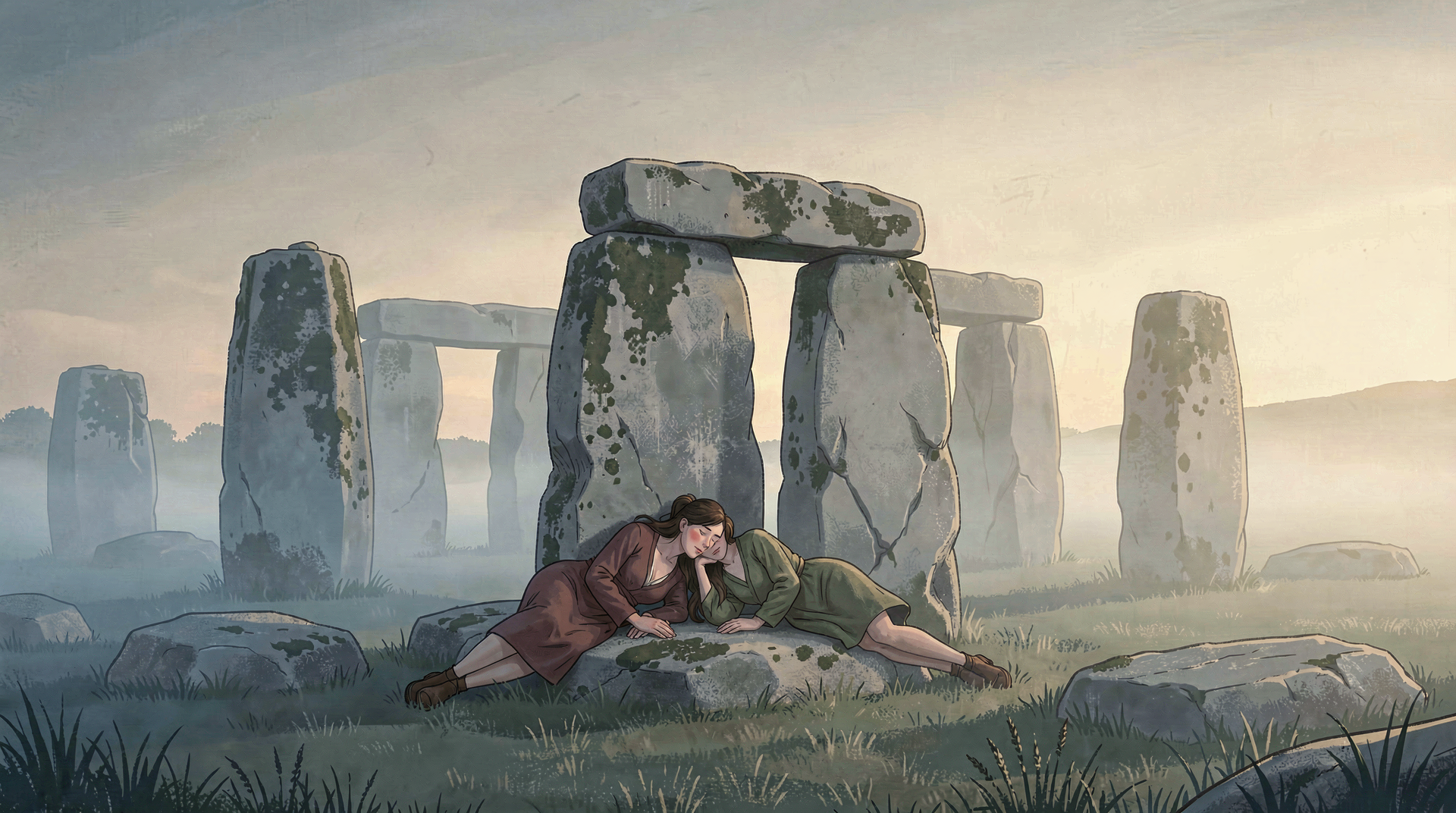
Tess of the d'Urbervilles
Hardy's indictment of Victorian sexual politics — a woman crushed by a society that invented her fall, then punished her for it.

The Blue Castle
Montgomery's underrated masterpiece — Valancy Stirling's radical escape from family tyranny when a death sentence liberates her from the fear of others' opinions.
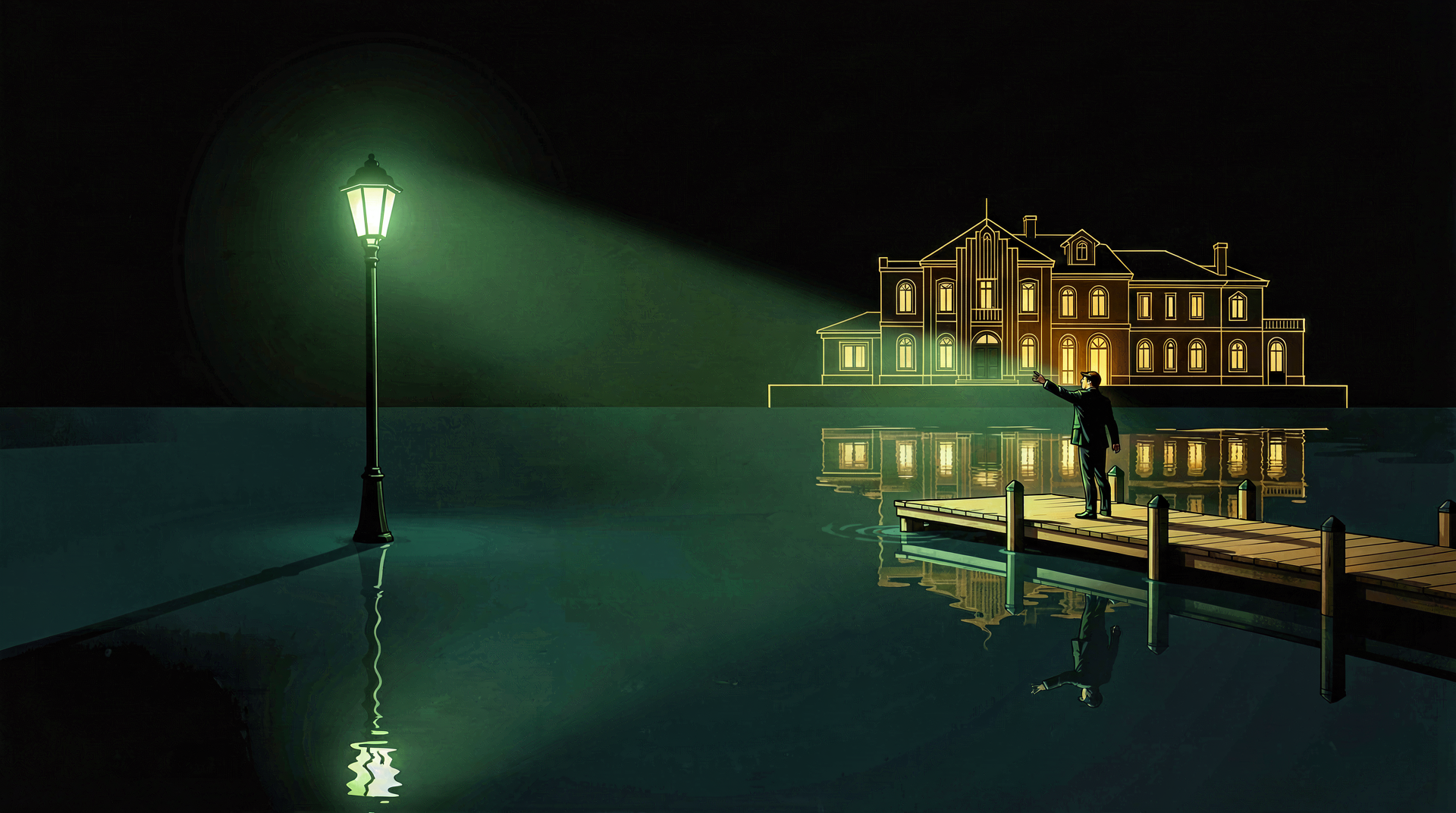
The Great Gatsby
Fitzgerald's autopsy of the American Dream — Jay Gatsby's reinvention as a case study in how the pursuit of an idealised past destroys everything in the present.
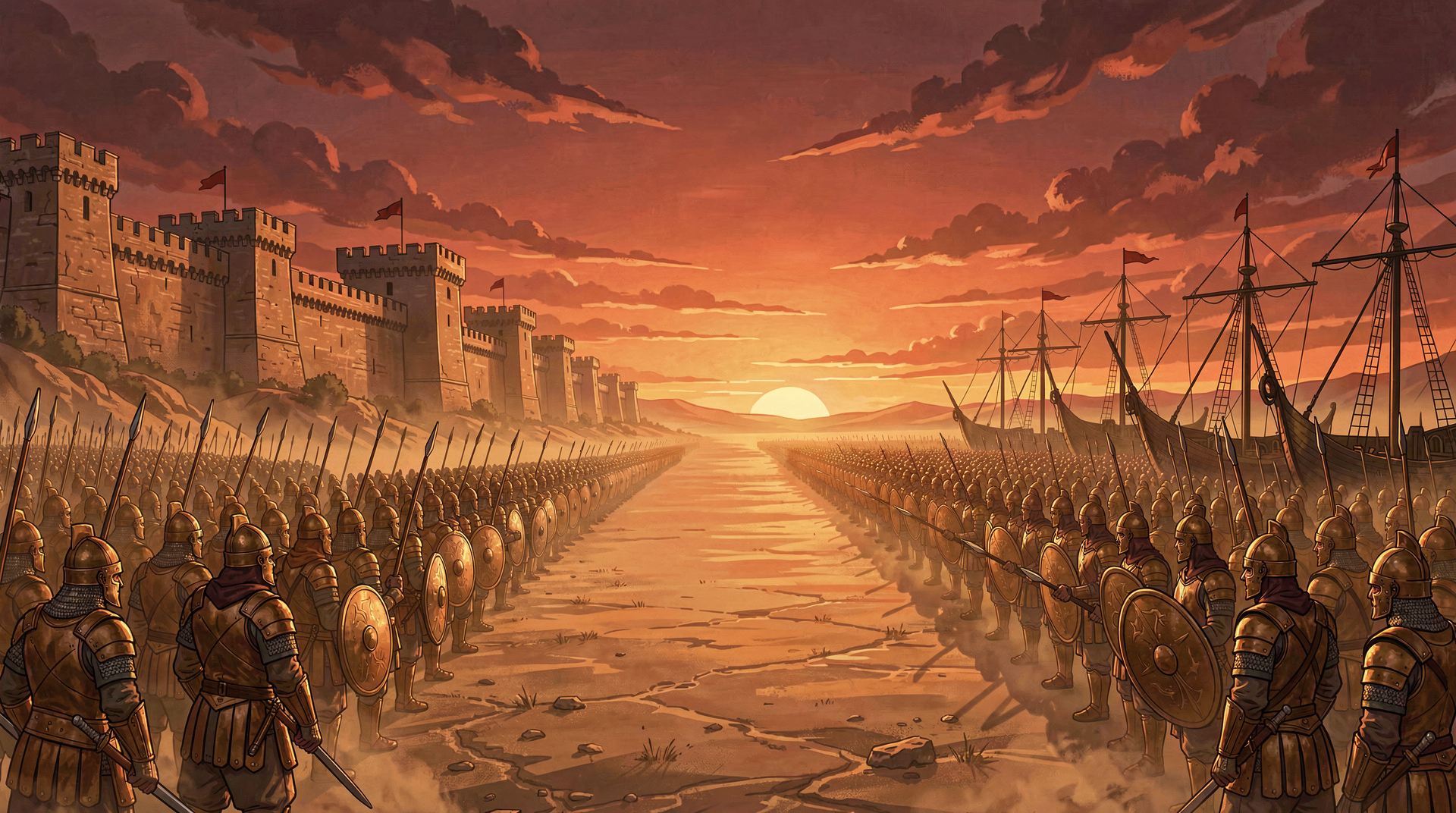
The Iliad
Homer's epic of war, glory, and grief — read as a study in the cost of ego, the randomness of fate, and why Achilles's rage is still the most human thing in ancient literature.
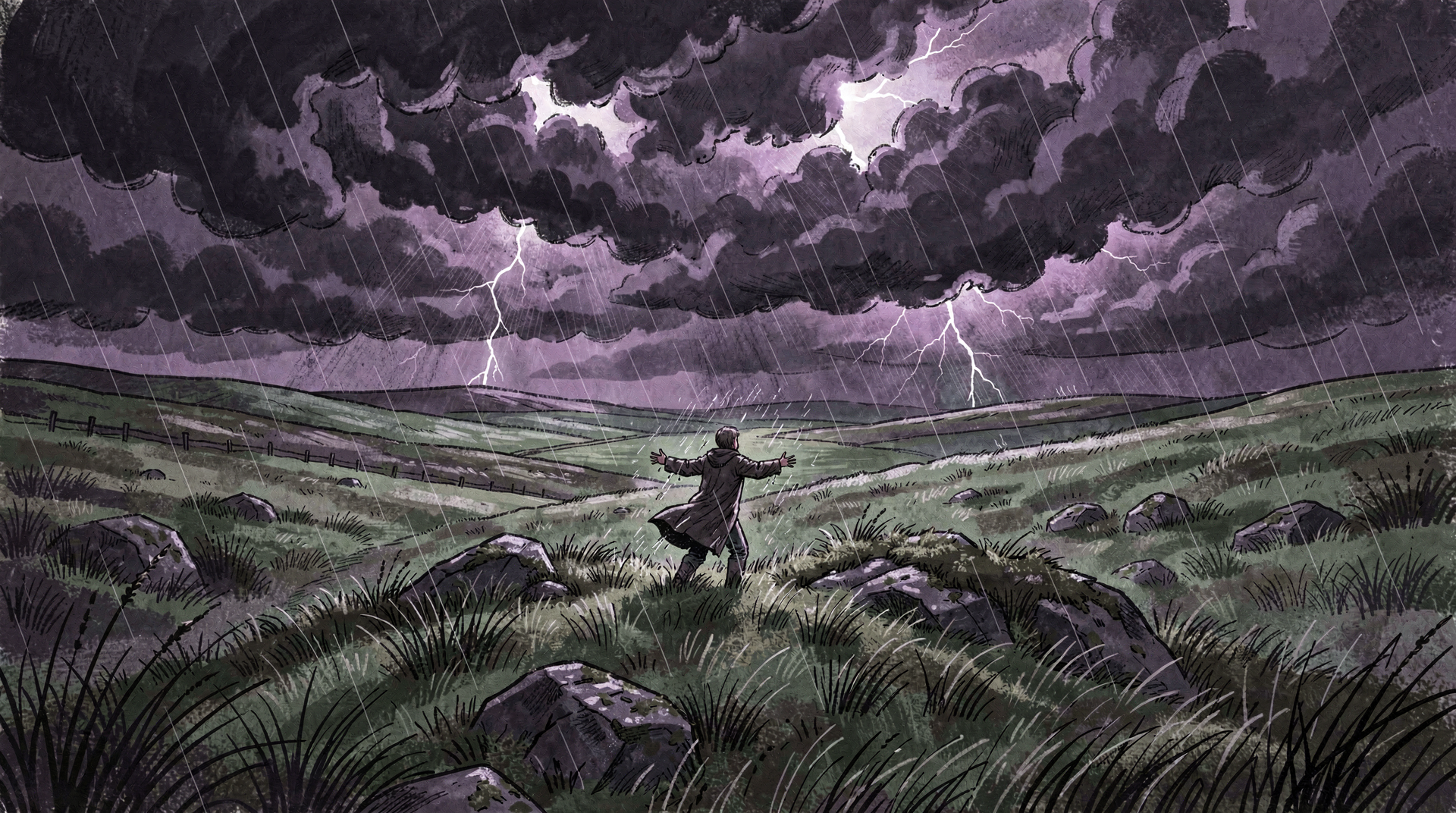
Wuthering Heights
Brontë's violent, obsessive love story — stripped of romance and read as a gothic study in class resentment, revenge, and the destructive force of fixation.
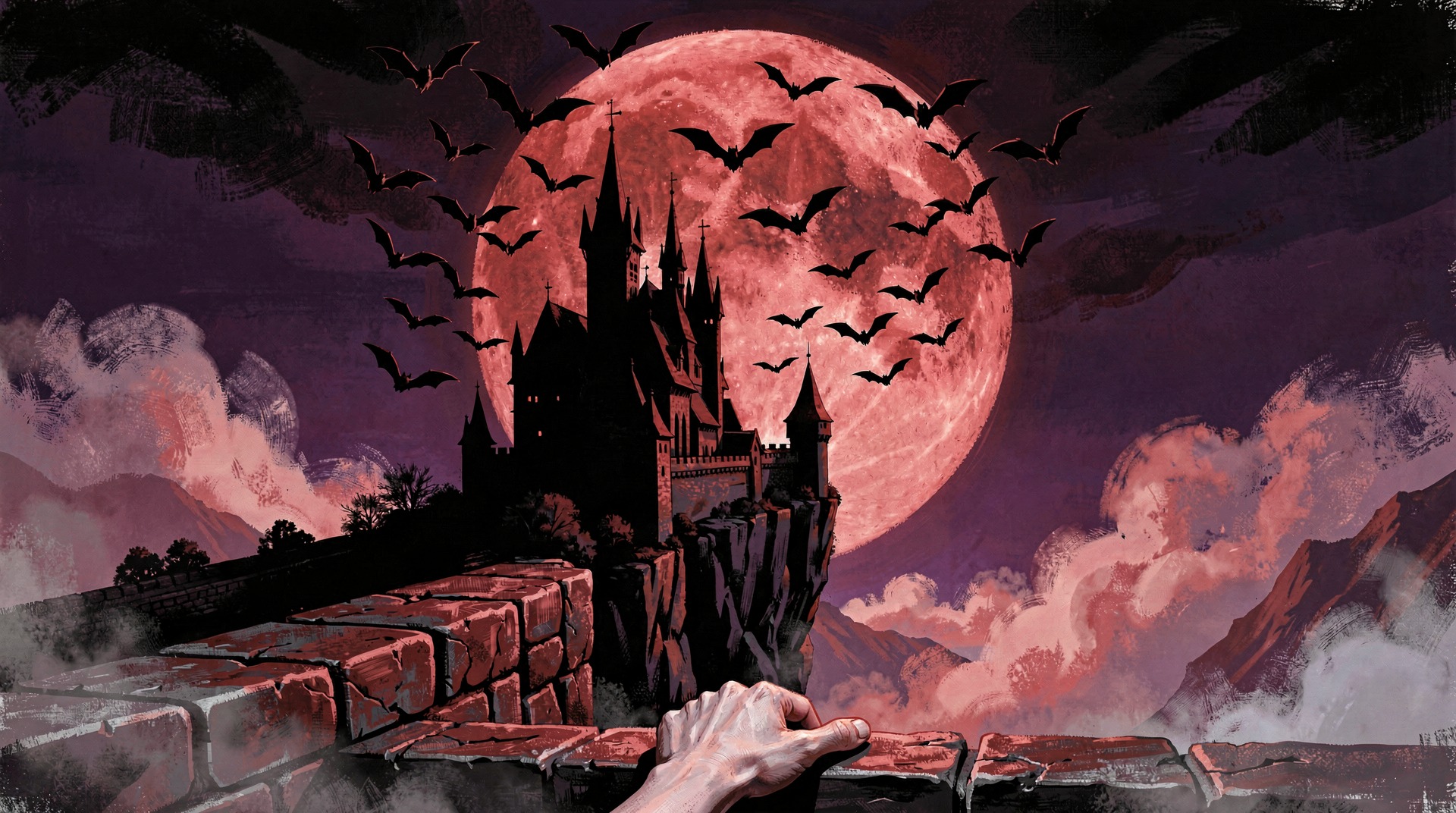
Dracula
Bram Stoker's gothic masterpiece examined through modern eyes — Victorian technology, obsession, predation, and the data that brought down a monster.
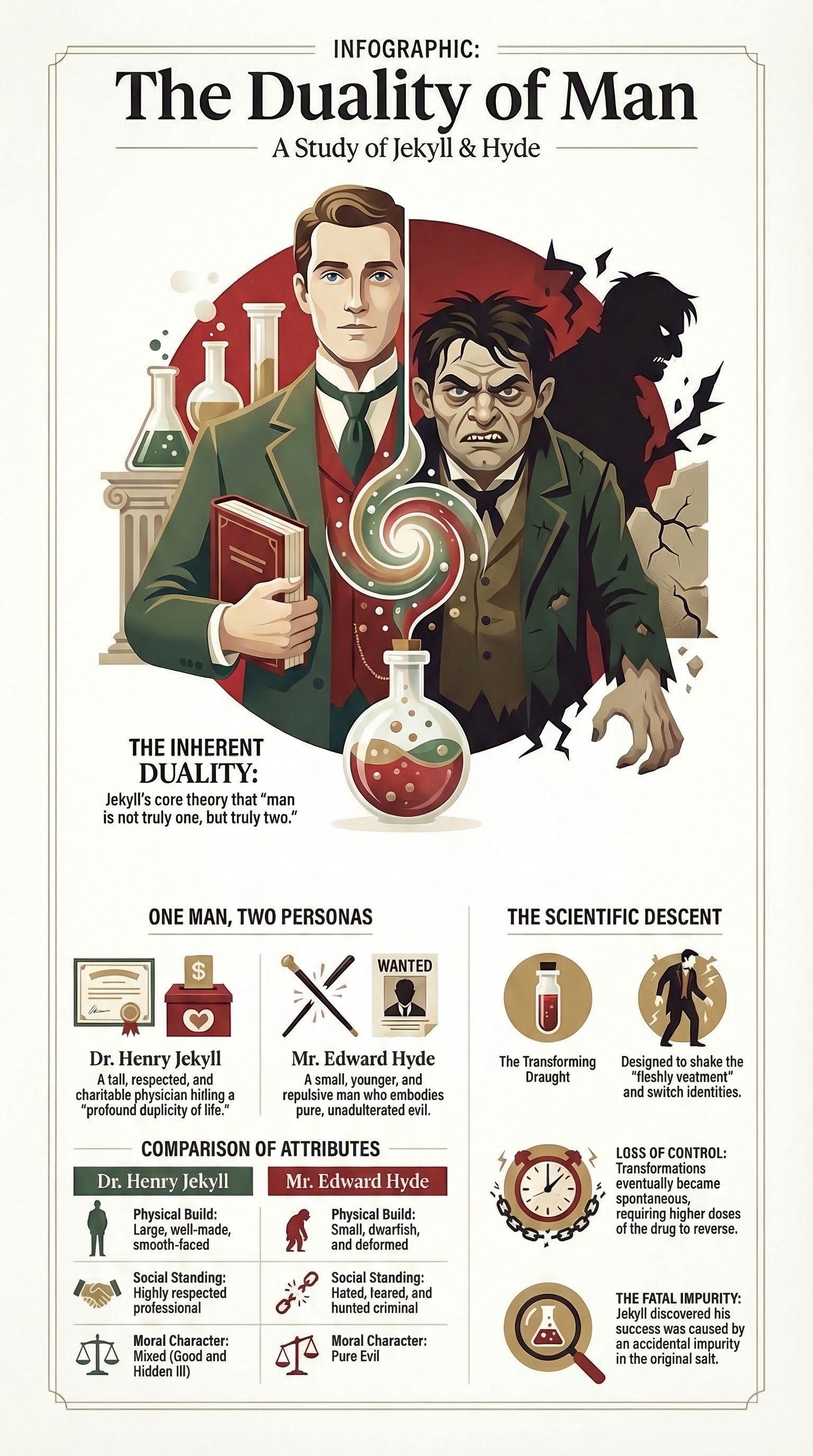
Jekyll and Hyde
Stevenson's tale of duality, respectability, and the monstrous self — exploring what the novella reveals about Victorian repression and human psychology.
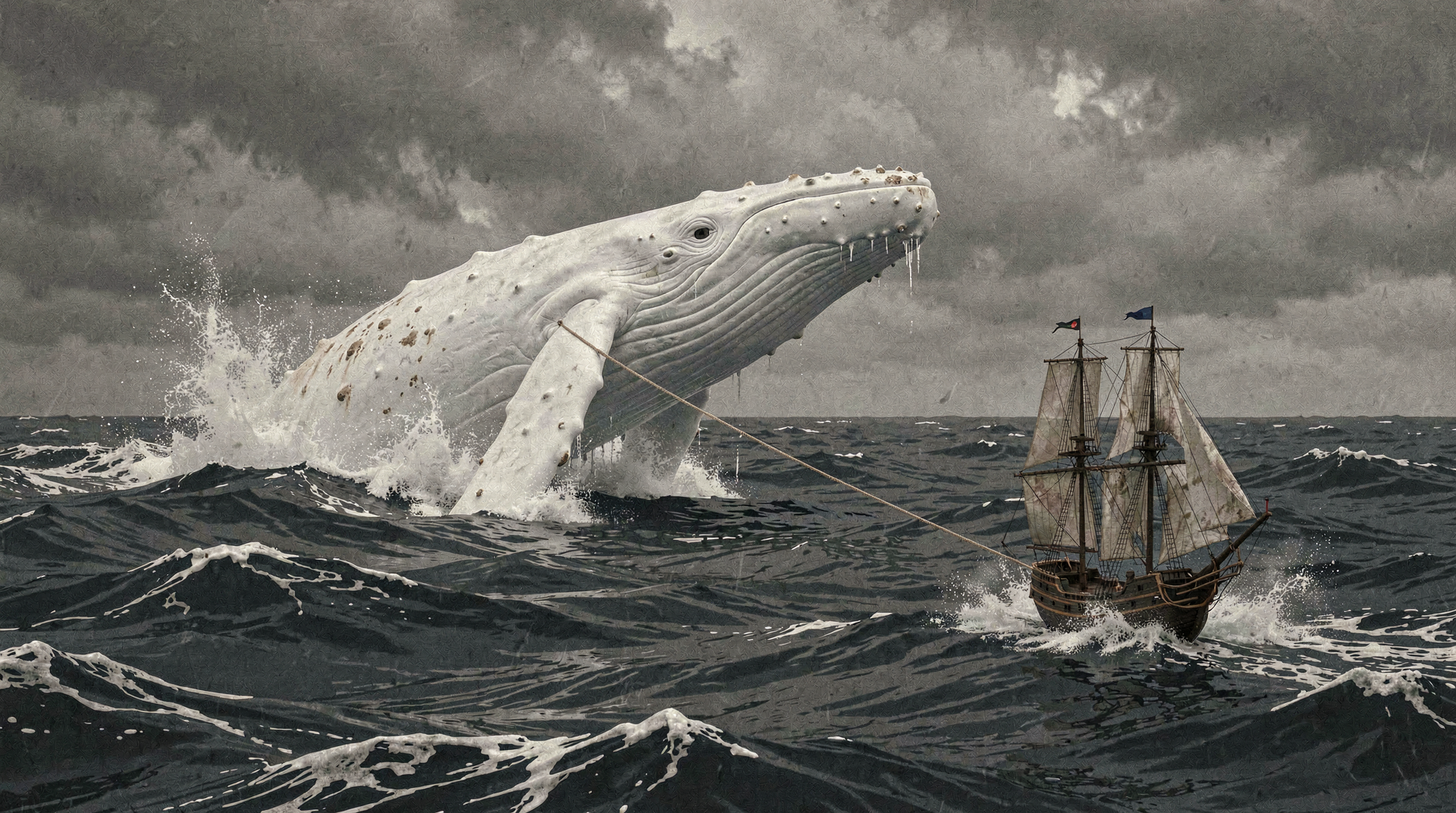
Moby Dick
Melville's monumental novel of obsession, the sea, and the unknowable — dissected for what it actually is, and whether the journey is worth it.
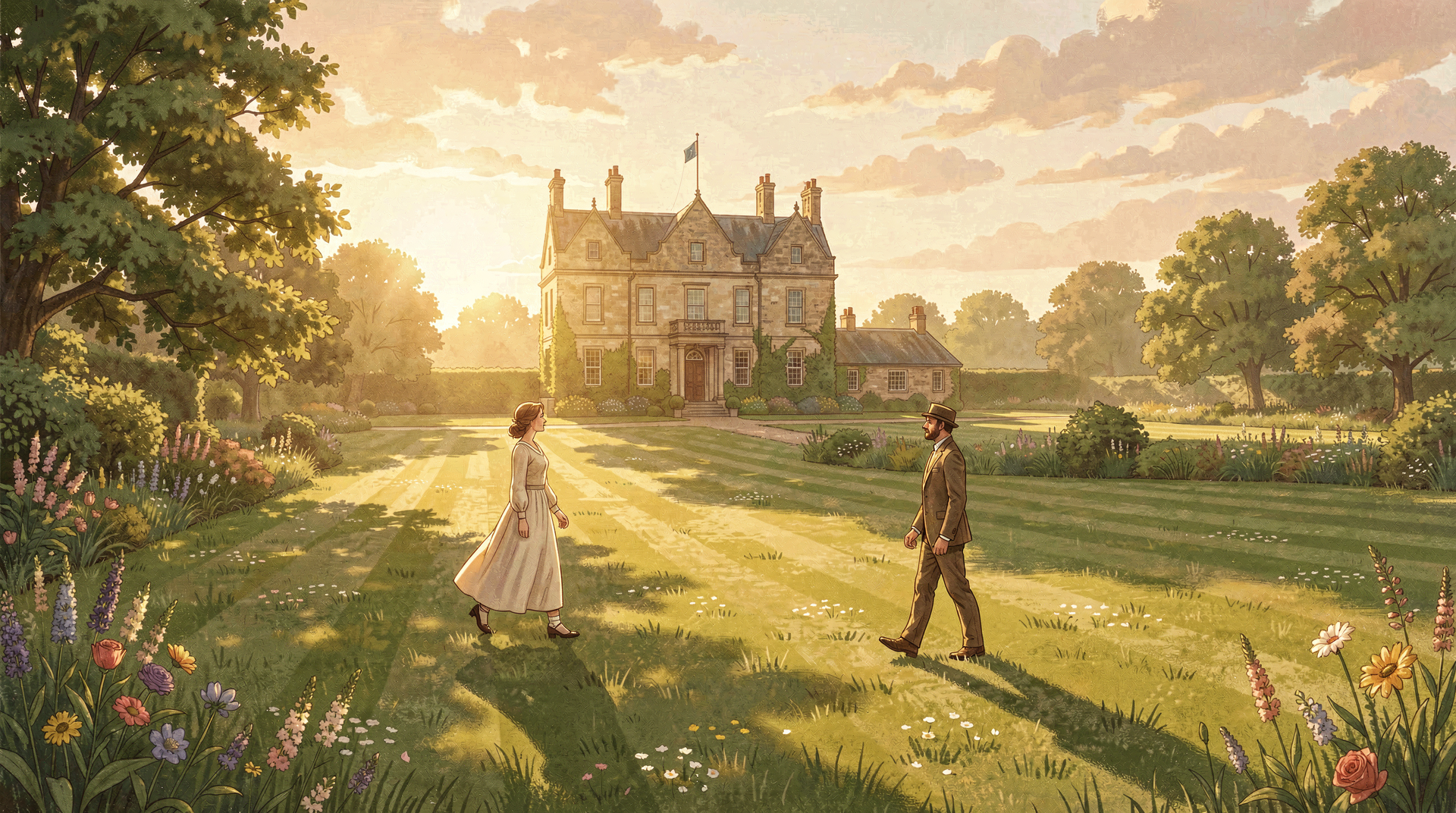
Pride and Prejudice
Austen's razor-sharp comedy of manners — a cutthroat strategic game of marriage, money, and social positioning dressed up as romance.
Personal Development
See all → The Brothers Karamazov
Dostoevsky's final and greatest novel — faith, doubt, patricide, and three brothers as archetypes of the human condition: intellect, passion, and saintliness.
The City of God
Augustine's monumental defence of Christianity after Rome's fall — the argument that earthly power is always temporary, but the divine city endures.
Crime and Punishment
Dostoevsky's psychological masterpiece — Raskolnikov's theory that extraordinary men are above morality, and how the weight of guilt dismantles it.

The Power of Now
Tolle's guide to presence — the case that the ego and its addiction to past and future is the primary source of human suffering.
Jekyll and Hyde
Stevenson's tale of duality, respectability, and the monstrous self — exploring what the novella reveals about Victorian repression and human psychology.